

PCR vs Rapid Antigen COVID-19 Testing- What’s the big deal?
So, does it really matter what type of test You Have for COVID-19?
Spectrum Solutions Editorial
August 15 th
After over a year of dealing with a worldwide pandemic, most of us are pretty familiar with the need for COVID-19 testing. Many people have been tested or know people who have been tested for COVID-19, and so in the United States, though the situation surrounding the pandemic is beginning to improve, COVID-19 testing still isn’t going anywhere for a while.
Even after over a year of COVID testing, there is still sometimes confusion about which types of COVID tests are best compared to others. To help you get some clarity about the different types of COVID tests and to help people know which option is the best option for them, let’s take a closer look at the different ways to test for COVID-19. Please note that this article focuses on diagnosis testing, so antibody tests are not discussed here.
Let’s talk about this question: does it matter what type of diagnostic COVID-19 test a person gets?
Early on in the pandemic, people were taking whatever COVID test they could get access to. And given the nature of the early pandemic, this made sense as tests were limited in availability. But now that COVID-19 tests are more available, people can afford to be choosier about the diagnostic COVID tests they are getting.
Some people may think that it doesn’t matter much which diagnostic test you get so long as it can tell you if you have COVID-19 or not. However, this actually isn’t the best perspective to have towards COVID testing. There are most definitely COVID tests that are better than others. Some tests are more comfortable to receive than others, some are faster, and others are more accurate. When you need to know if you’ve contracted COVID-19 or not, the most important thing to consider is the accuracy of the test you might be given. To know which COVID test will be the most accurate and the best option for you, we need to get a closer look at the different options for COVID-19 tests.
PCR vs Rapid Antigen COVID-19 Testing- What’s the big deal?
So, does it really matter what type of test You Have for COVID-19?
Spectrum Solutions Editorial
August 15 th
After over a year of dealing with a worldwide pandemic, most of us are pretty familiar with the need for COVID-19 testing. Many people have been tested or know people who have been tested for COVID-19, and so in the United States, though the situation surrounding the pandemic is beginning to improve, COVID-19 testing still isn’t going anywhere for a while.
Even after over a year of COVID testing, there is still sometimes confusion about which types of COVID tests are best compared to others. To help you get some clarity about the different types of COVID tests and to help people know which option is the best option for them, let’s take a closer look at the different ways to test for COVID-19. Please note that this article focuses on diagnosis testing, so antibody tests are not discussed here.
Let’s talk about this question: does it matter what type of diagnostic COVID-19 test a person gets?
Early on in the pandemic, people were taking whatever COVID test they could get access to. And given the nature of the early pandemic, this made sense as tests were limited in availability. But now that COVID-19 tests are more available, people can afford to be choosier about the diagnostic COVID tests they are getting.
Some people may think that it doesn’t matter much which diagnostic test you get so long as it can tell you if you have COVID-19 or not. However, this actually isn’t the best perspective to have towards COVID testing. There are most definitely COVID tests that are better than others. Some tests are more comfortable to receive than others, some are faster, and others are more accurate. When you need to know if you’ve contracted COVID-19 or not, the most important thing to consider is the accuracy of the test you might be given. To know which COVID test will be the most accurate and the best option for you, we need to get a closer look at the different options for COVID-19 tests.
Rapid Antigen Testing
There are two primary types of COVID-19 diagnostic tests – polymerase chain reaction testing (or PCR testing) and rapid antigen testing. Rapid antigen testing analyzes a sample, typically from a nasal swab or blood test, to look for evidence of antigens in your body. It’s important to know what antigens are to understand how antigen testing works. Antigens are proteins that your body creates in response to a virus entering your body, and their job is to trigger your body to create antibodies which then defend your body against the illness.
While antigen testing can be useful, it requires the presence of a high number of antigens in the body before the test can register. If an antigen test comes back positive, it’s very likely that the positive result is accurate. However, it is very easy to get a false negative on an antigen COVID test. In fact, because of how easy it is to have false-negative results from the antigen tests, they are considered to be only about 40-60% accurate overall.
The benefit to rapid testing, despite its tendency towards inaccuracy, is the speed at which you can get results on the test. It takes only about 15 minutes to do an antigen test, and it does not require any lab equipment. The speed of this test is a big reason why it has been used for COVID-19. However, when people receive a negative result on their antigen test, they often have to get a PCR test as well to make sure that the negative was not a false negative.
Rapid Antigen Testing
There are two primary types of COVID-19 diagnostic tests – polymerase chain reaction testing (or PCR testing) and rapid antigen testing. Rapid antigen testing analyzes a sample, typically from a nasal swab or blood test, to look for evidence of antigens in your body. It’s important to know what antigens are to understand how antigen testing works. Antigens are proteins that your body creates in response to a virus entering your body, and their job is to trigger your body to create antibodies which then defend your body against the illness.
While antigen testing can be useful, it requires the presence of a high number of antigens in the body before the test can register. If an antigen test comes back positive, it’s very likely that the positive result is accurate. However, it is very easy to get a false negative on an antigen COVID test. In fact, because of how easy it is to have false-negative results from the antigen tests, they are considered to be only about 40-60% accurate overall.
The benefit to rapid testing, despite its tendency towards inaccuracy, is the speed at which you can get results on the test. It takes only about 15 minutes to do an antigen test, and it does not require any lab equipment. The speed of this test is a big reason why it has been used for COVID-19. However, when people receive a negative result on their antigen test, they often have to get a PCR test as well to make sure that the negative was not a false negative.
PCR Testing –
The Gold Standard for a Reason
PCR testing is done in a certified laboratory with results available the next day. This is the exact same testing process your doctor would order from the lab if you needed, for example, a STREP test. The PCR test process is looking for genetic evidence of the virus in your body, specifically the RNA of the virus. Samples were typically collected through nasal swabs, however, after studies have shown a 100% positive agreement between the two biomaterials, the pain-free and noninvasive self-collection of saliva is fast becoming the preferred biosample for PCR testing.
Whether you get a nasal swab or saliva PCR test, it is likely the results will be more accurate than a rapid antigen test. This is because the test is looking for something different and PCR testing doesn’t need a large volume of a virus’s genetic material present. In fact, testing that incorporates the Spectrum Solutions saliva collection system is able to detect an infection with as few as 200 copies per microliter (A microliter is a unit of volume equal to 1/1,000,000th of a liter (one-millionth) compared to rapid antigen testing which requires 10,000 to 20,000 copies per microliter. In addition, PCR testing is considered to be 100% accurate compared to the 40-60% accuracy of the rapid test.]
Some people have avoided the PCR test because it was less comfortable than the rapid test as the nasal swab often had to go clear to the back of the throat through the nose. But with the availability of saliva PCR “spit testing”, comfort is no longer an issue. So it’s become much easier to use this more accurate test than it used to be with many at-home sample collection options.
Truly, the only downside to PCR testing if you can call it a downside, even saliva PCR testing, is that it takes longer to get results (about 24-hours). With testing processed at a lab, it simply takes more time to transport samples. In most cases, accuracy in testing is preferable to speed. Still, there may be a time when you need a fast test completed and accuracy isn’t as important (possibly in a screening scenario). In this case, a rapid test fits the bill. However, if about 24 hours can fit in your time frame, the PCR test will still be the best option.
Need Home or Work Saliva PCR Testing Kits?
At Spectrum Solutions, we offer a variety of saliva-based DNA testing, and the COVID-19 PCR test is one of the tests we offer. If you need a COVID test done from home, or if you are looking for COVID tests have available at your workplace, Spectrum Solutions can send you these saliva-based PCR COVID-19 tests. These tests will be simple to administer without medical professionals, and the results will be highly accurate. Order these tests today so you and your business are prepared to give COVID-19 tests when needed.
PCR Testing –
The Gold Standard for a Reason
PCR testing is done in a certified laboratory with results available the next day. This is the exact same testing process your doctor would order from the lab if you needed, for example, a STREP test. The PCR test process is looking for genetic evidence of the virus in your body, specifically the RNA of the virus. Samples were typically collected through nasal swabs, however, after studies have shown a 100% positive agreement between the two biomaterials, the pain-free and noninvasive self-collection of saliva is fast becoming the preferred biosample for PCR testing.
Whether you get a nasal swab or saliva PCR test, it is likely the results will be more accurate than a rapid antigen test. This is because the test is looking for something different and PCR testing doesn’t need a large volume of a virus’s genetic material present. In fact, testing that incorporates the Spectrum Solutions saliva collection system is able to detect an infection with as few as 200 copies per microliter (A microliter is a unit of volume equal to 1/1,000,000th of a liter (one-millionth) compared to rapid antigen testing which requires 10,000 to 20,000 copies per microliter. In addition, PCR testing is considered to be 100% accurate compared to the 40-60% accuracy of the rapid test.]
Some people have avoided the PCR test because it was less comfortable than the rapid test as the nasal swab often had to go clear to the back of the throat through the nose. But with the availability of saliva PCR “spit testing”, comfort is no longer an issue. So it’s become much easier to use this more accurate test than it used to be with many at-home sample collection options.
Truly, the only downside to PCR testing if you can call it a downside, even saliva PCR testing, is that it takes longer to get results (about 24-hours). With testing processed at a lab, it simply takes more time to transport samples. In most cases, accuracy in testing is preferable to speed. Still, there may be a time when you need a fast test completed and accuracy isn’t as important (possibly in a screening scenario). In this case, a rapid test fits the bill. However, if about 24 hours can fit in your time frame, the PCR test will still be the best option.
Need Home or Work Saliva PCR Testing Kits?
At Spectrum Solutions, we offer a variety of saliva-based DNA testing, and the COVID-19 PCR test is one of the tests we offer. If you need a COVID test done from home, or if you are looking for COVID tests have available at your workplace, Spectrum Solutions can send you these saliva-based PCR COVID-19 tests. These tests will be simple to administer without medical professionals, and the results will be highly accurate. Order these tests today so you and your business are prepared to give COVID-19 tests when needed.
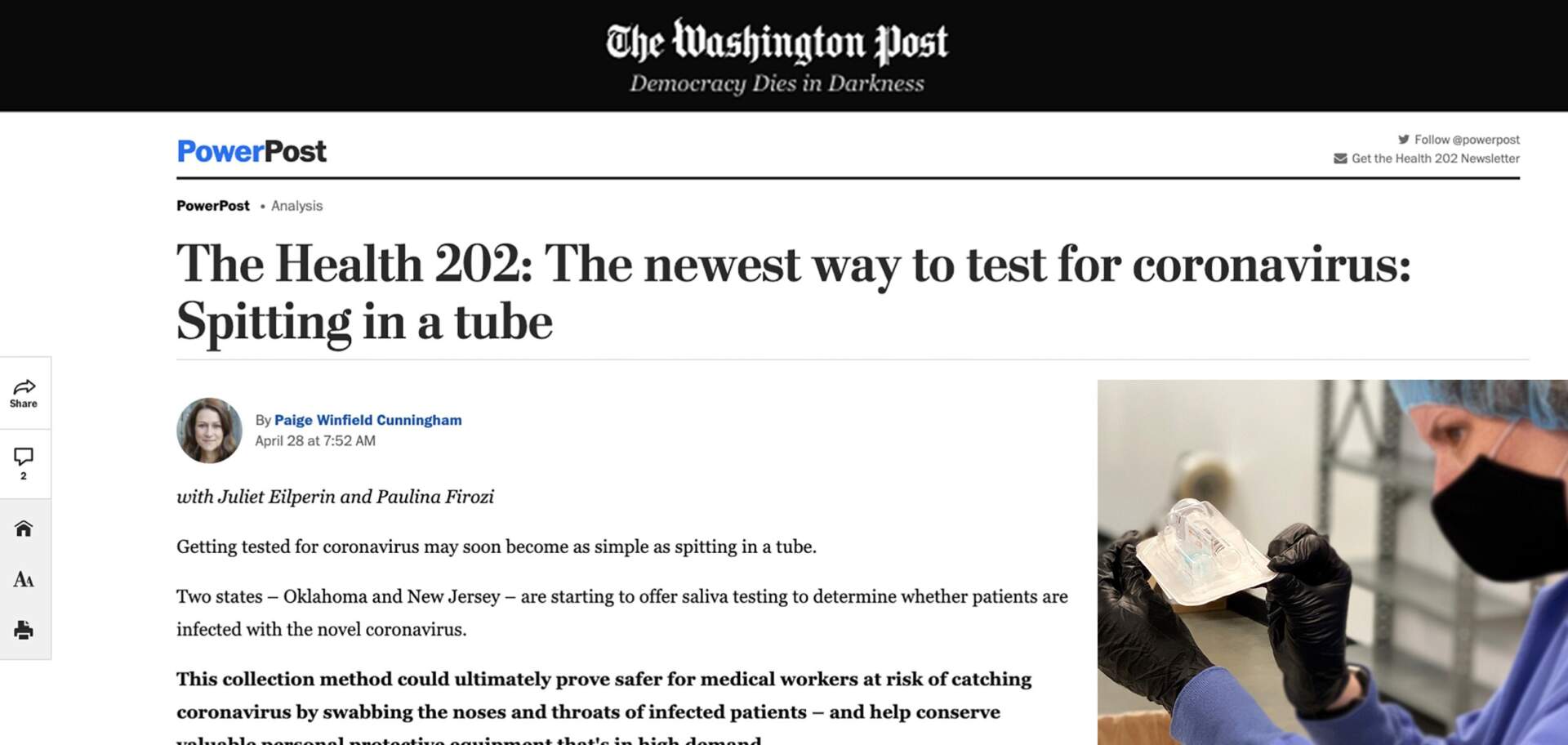
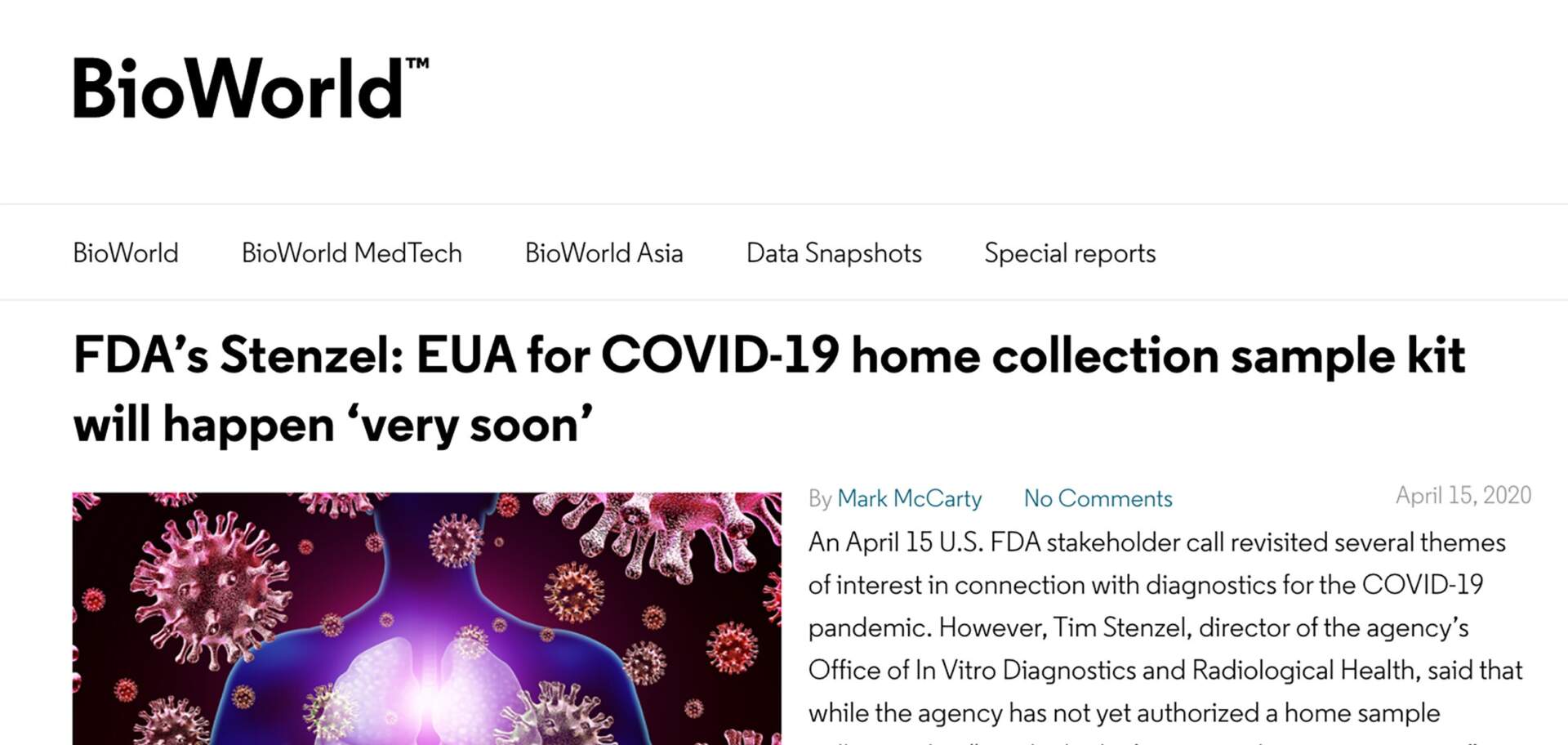
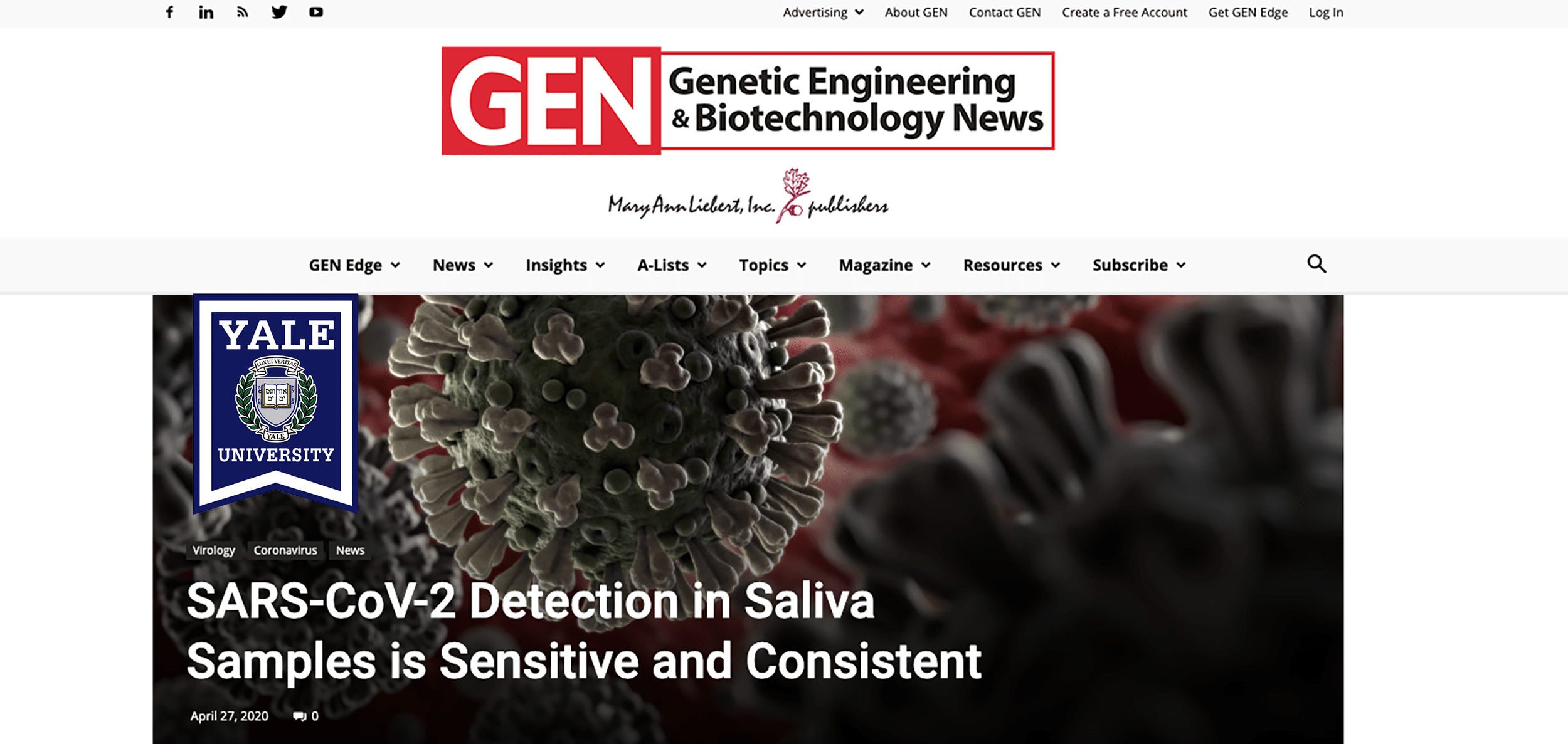
Bringing Baseball Back!
How you collect saliva makes a big difference
Increase workplace safety and build team confidence with simple and safe repeat testing programs supporting 100% accurate early detection and easy direct-to-user at-home options. Just ask Major League Baseball. See how our saliva collection system is credited for “bringing baseball back” and making Salt Lake “the league’s most important city”.
™/© 2020 MLB
Bringing Baseball Back!
How you collect saliva makes a big difference
Increase workplace safety and build team confidence with simple and safe repeat testing programs supporting 100% accurate early detection and easy direct-to-user at-home options. Just ask the Major League Baseball. See how our saliva collection system is credited for “bringing baseball back” and making Salt Lake “the league’s most important city”.
™/© 2020 MLB

About Spectrum Solutions®
Headquartered in Salt Lake City, Utah, Spectrum Solutions is dedicated to empowering complete wellness and bridging the gap between science and innovative healthcare solutions. Our stand-alone and fully integrated test-to-treat solutions support molecular diagnostics and DTC testing applications, advancing product development and accelerating go-to-market applications. Our single-source, end-to-end capabilities include a CAP/CLIA accredited molecular diagnostic laboratory, onsite compounding pharmacy, medical and non-medical product development, manufacturing, and fulfillment.

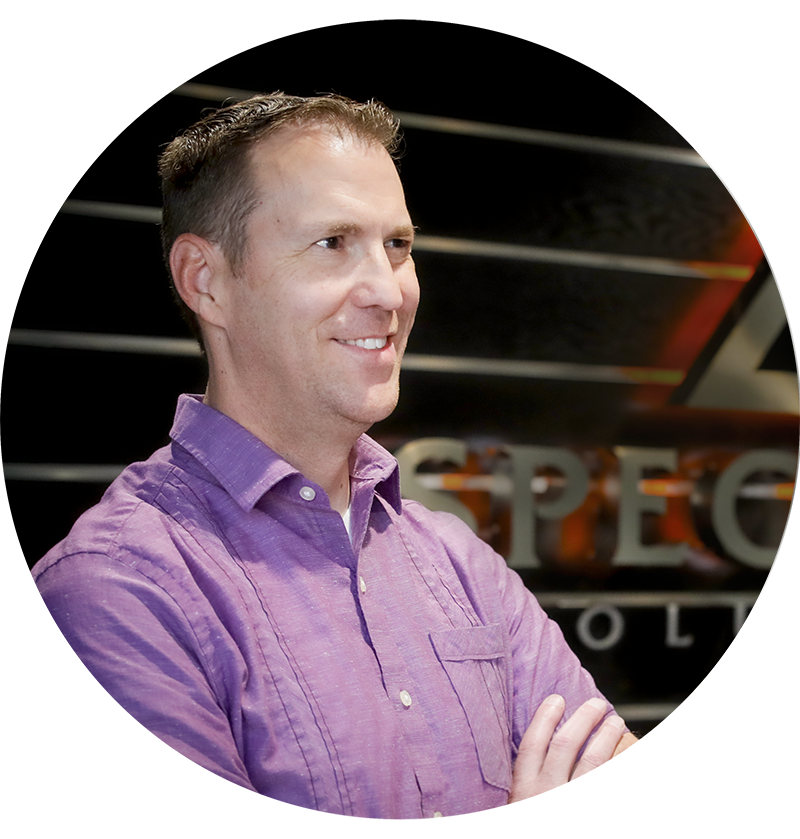
 Spectrum Corporate Spokesman
Leslie Titus Bryant
Head of Marketing & Brand
admin@spectrumsolution.com
 Media Contact
Tim Rush, Springboard5
801-208-1100
tim.rush@springboard5.com
About Spectrum Solutions®
Headquartered in Salt Lake City, Utah, Spectrum Solutions is dedicated to empowering complete wellness and bridging the gap between science and innovative healthcare solutions. Our stand-alone and fully integrated test-to-treat solutions support molecular diagnostics and DTC testing applications, advancing product development and accelerating go-to-market applications. Our single-source, end-to-end capabilities include a CAP/CLIA accredited molecular diagnostic laboratory, onsite compounding pharmacy, medical and non-medical product development, manufacturing, and fulfillment.
Spectrum Corporate Spokesman
Leslie Titus Bryant
Head of Marketing & Brand
admin@spectrumsolution.com
Media Contact
Tim Rush, Springboard5
801-208-1100
tim.rush@springboard5.com